First study in Twente focuses on measurements of excitability of the motor cortex
In the newly opened clinical research unit CHDR Twente, a small group of pioneers has performed a benchmark study which aimed to compare a new quantitative electro-encephalography (qEEG) paradigm with transcranial magnetic stimulation (TMS) in combination with electromyography (EMG) as benchmark.
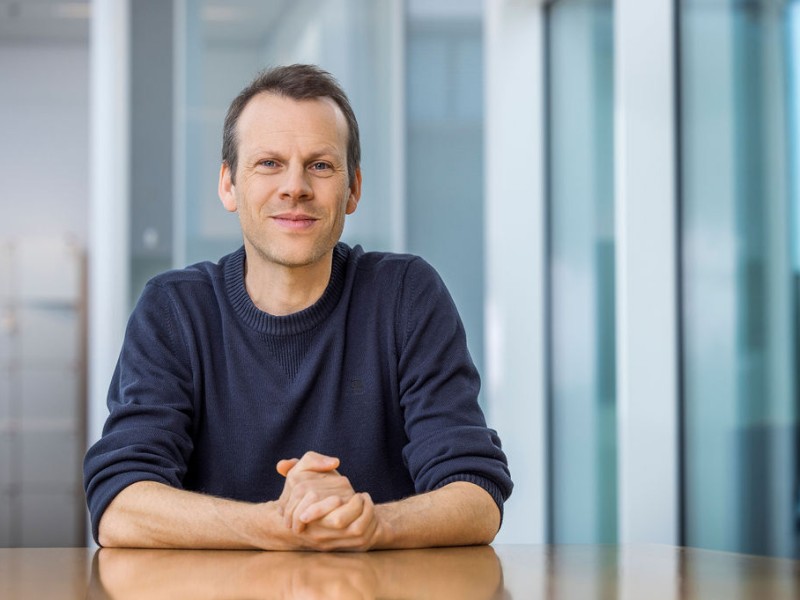
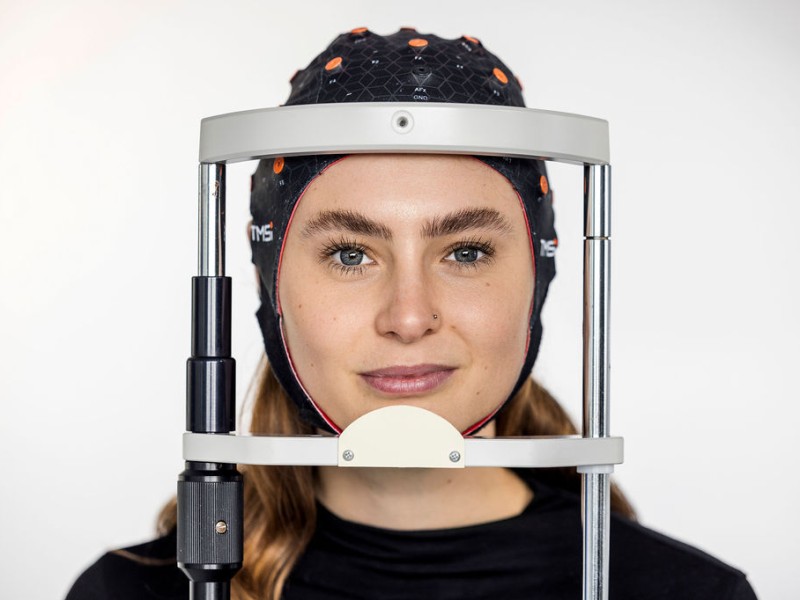
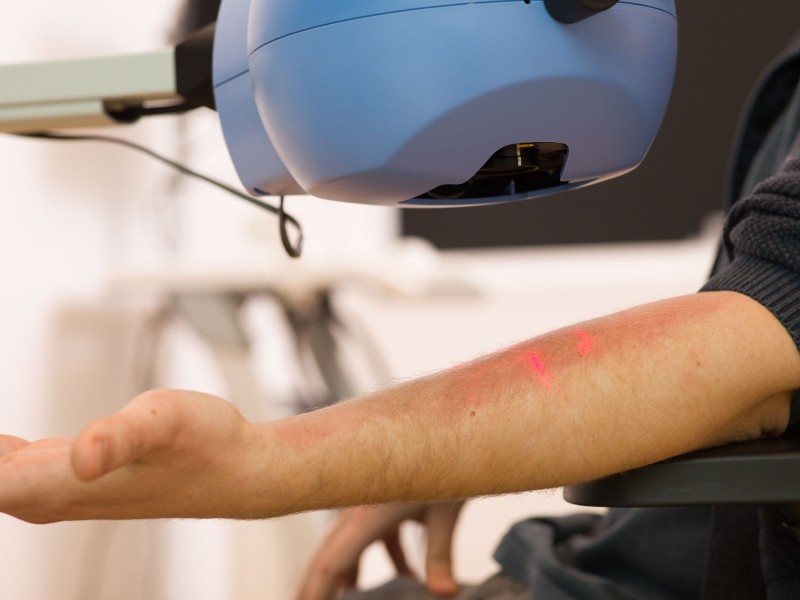
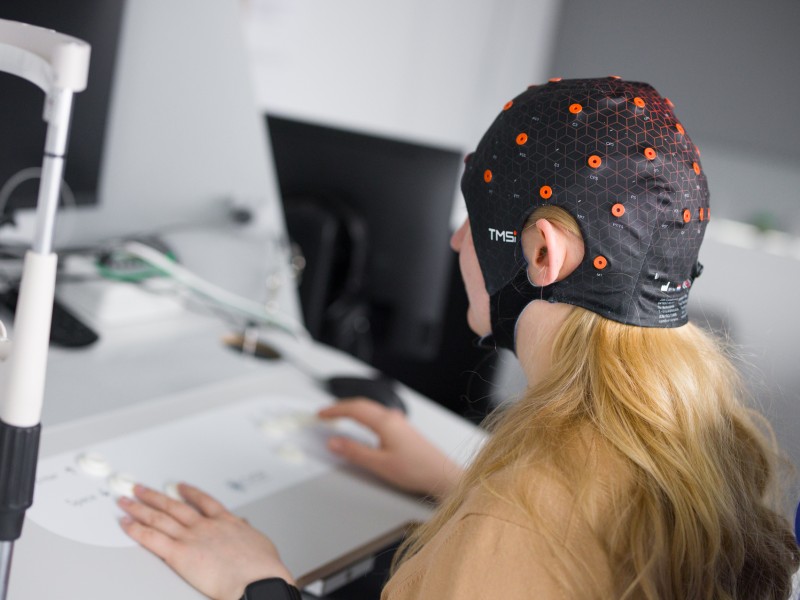
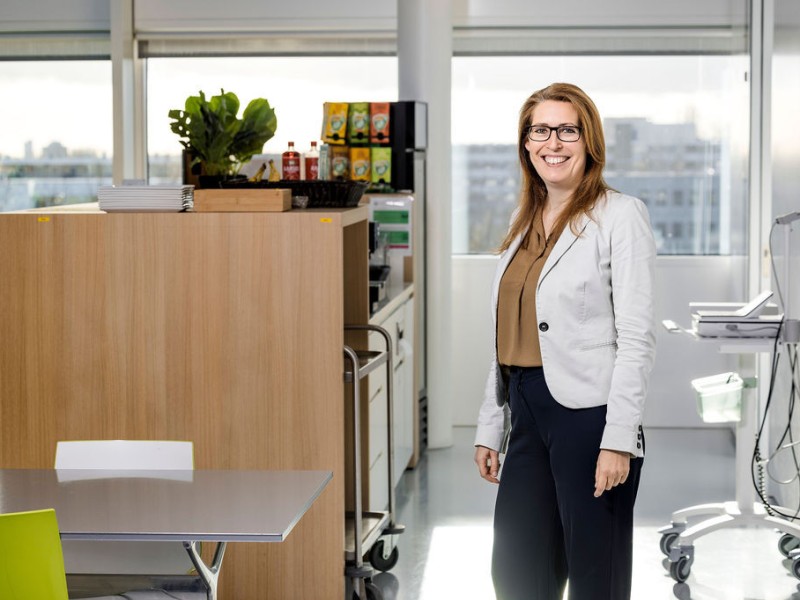
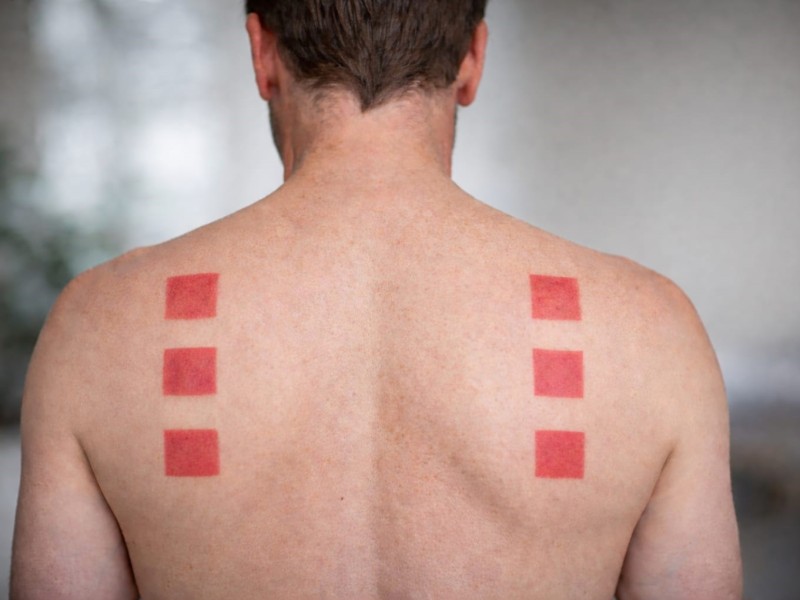
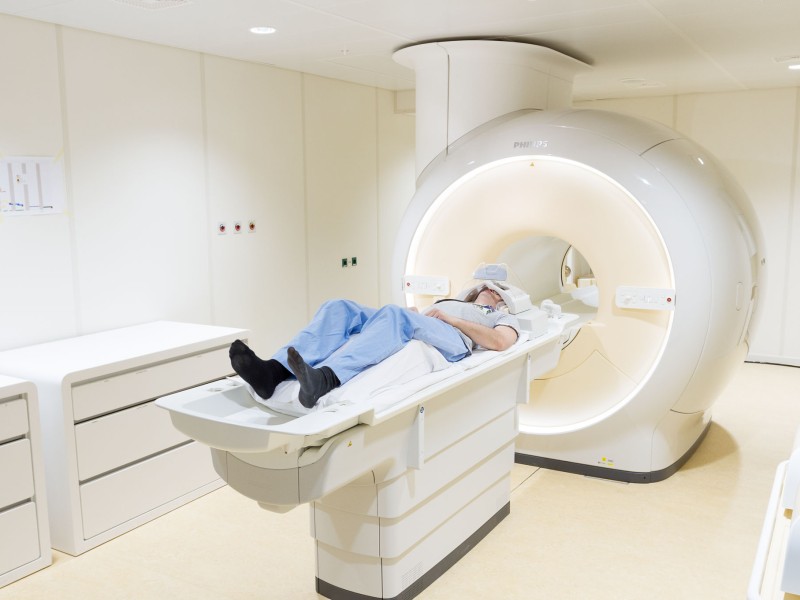
‘This biomarker for the effects of drugs on brain excitability has been used for some time in CHDR, but now we have conducted a study with two different drugs to determine whether we can also use qEEG to say something about excitability of the motor cortex,’ says clinical scientist Auke de Leeuw. TMS-EMG measures the excitability of the brain by stimulating the motor cortex with TMS and measuring the effects with EMG and electroencephalography (EEG). Data are collected at CHDR Twente and then sent to the central facility in Leiden to be analysed by the Biomarker Engineering and Analytics (BEA) team. ‘We have two TMS-EMG setups here in Twente, so we can measure up to two study participants at the same time,’ says research nurse Simone Wooldrik.
Pioneering
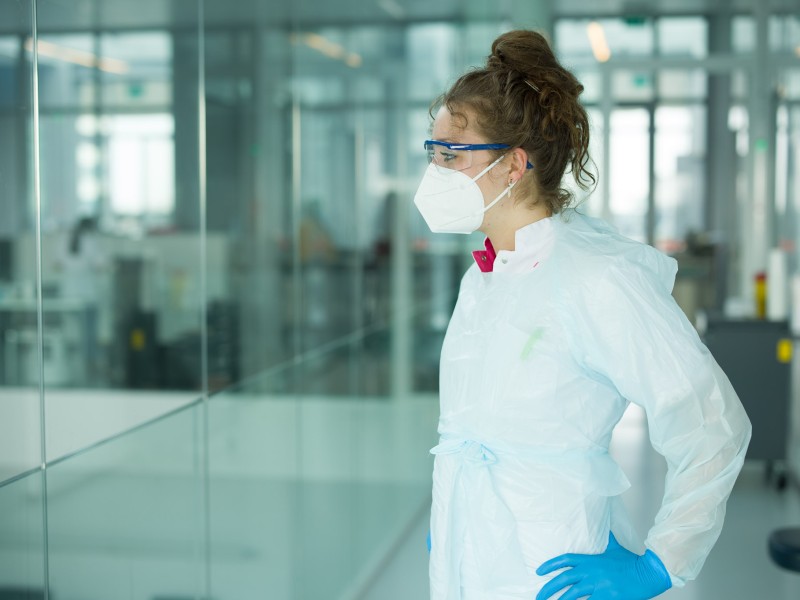
De Leeuw and Wooldrik are part of the team of employees setting up the new unit and conducting the first study. ‘I am a technical physician by training,’ says De Leeuw. ‘And because we are starting with a small team, I am currently responsible for a variety of tasks. I am the project leader for this study, but I also do the data management and the screening of participants. In Leiden, there are separate departments for that.’ Wooldrik: ‘In addition to our regular tasks, my colleagues and I also do what needs to be done here in the laboratory; we do the planning and other operational tasks. I like being able to pioneer like this, while adhering to the same standard operational procedures as our colleagues in Leiden.’
Benchmark
In the study, TMS-EMG measurements are performed on healthy study participants after administration of alprazolam, modafinil or placebo. De Leeuw: ‘The aim of this study is to compare qEEG measurements of cortical excitability with TMS-EMG biomarkers as a benchmark. We expect alprazolam to inhibit excitability, while modafinil is at the other end of the spectrum, increasing excitability. The data from this study will be used to determine the bandwidth. In the future, when we investigate a new compound, it will be easier to establish whether it inhibits or stimulates cortical excitation.’
An important objective of the study is to search for relevant EEG patterns that provide information about the influence of a drug on excitability. This part of the study is being conducted in collaboration with neurologist Prof Michel van Putten who heads the Clinical Neurophysiology Department at Medisch Spectrum Twente and is a professor of Clinical Neurophysiology at the University of Twente. The team hopes to establish EEG biomarkers that can provide additional information or maybe could even replace TMS-EEG as a biomarker for drug effects on excitability. And finally, the TMS-EEG study at CHDR Twente aims to closely monitor the implementation of a study in the new unit, in order to iron out any irregularities.
With the current staffing levels, it is not yet possible to have study participants stay overnight in the unit. Wooldrik: ‘This study can be performed in one day. Study participants arrive here in the morning for the first measurement, they are administered the medication at 11 a.m., and during the course of the day we take blood samples and perform the qEEG and TMS-EMG measurement several times. Ultimately, the participants can go home in the evening. They know they must go by bike or public transport, because driving a car is prohibited for 24 hours after administering the drug.’
The study progressed smoothly and was finished by the beginning of 2026. By then, De Leeuw, Wooldrik and their colleagues will already be preparing for the next study, which will focus on NeuroKit®. De Leeuw: ‘We don’t know yet what we will do after that. In any case, it is a fascinating experience to carry out so many different aspects of a study with our team.’
Interested in learning more?
More articles from Developing methods